
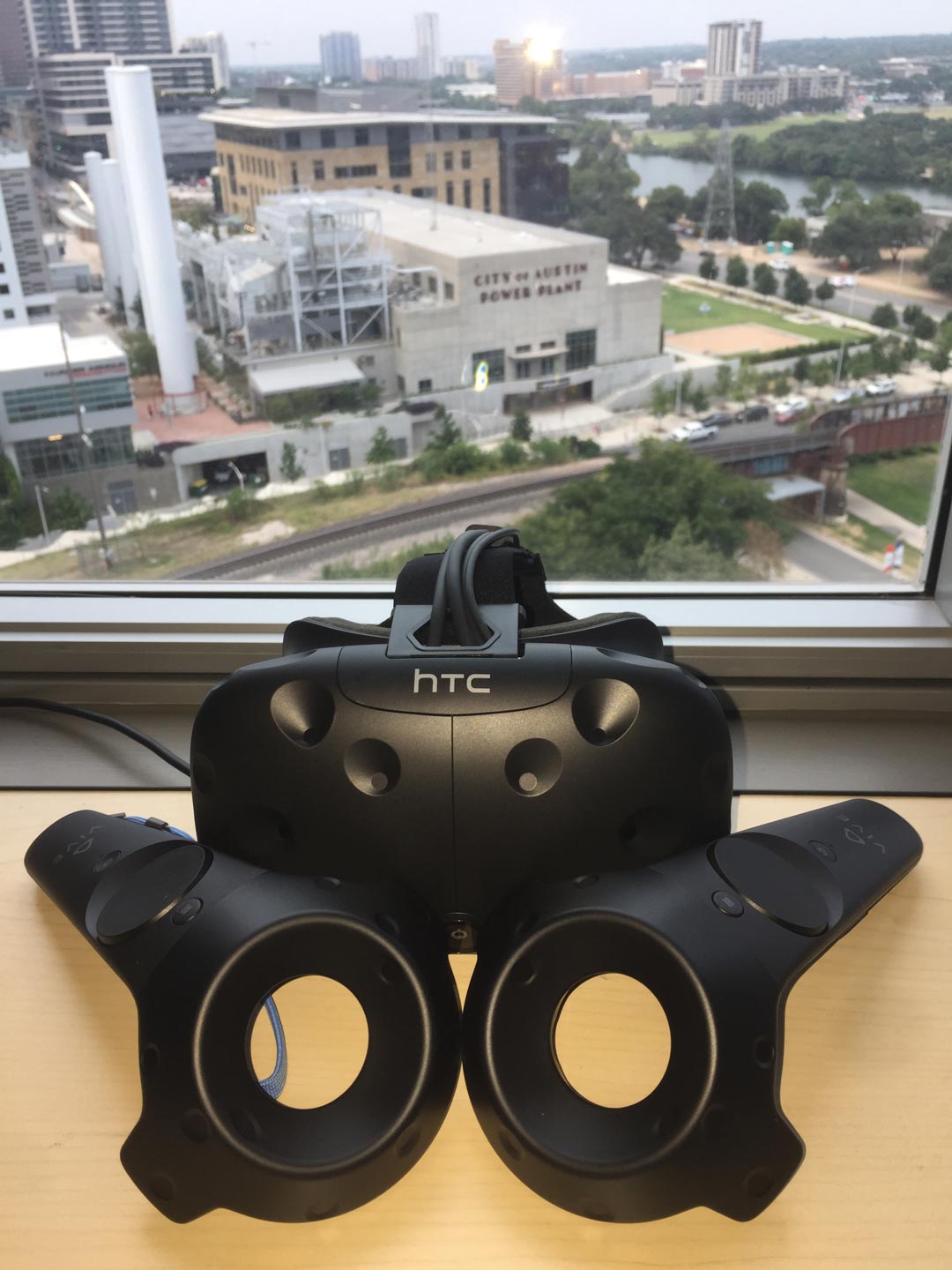
I recently jumped into VR with an HTC Vive and gaming PC. There are some fantastic experiences out there, but I’ve noticed some consequences and side-effects of using VR.
These are some potential hazards, dependent on various factors. Some are common, while others are rare or yet to be known, only time will tell what prolonged use will do.
- Unbalanced/Dizziness
- Motion Sickness/Nausea
- Collisions w/ Real Life Environment
- Aching Neck/Back/Spine Pains
- Eye Strain/Injury
- Optical Anomalies/Visual Distortion
- Changes of Conscious & Dream States
- Radiation Exposure
Dizziness & Nausea – There are common dangers of damaging objects & people, and getting sick. While I have not felt nauseous, I came close once & I have been unbalanced and dizzy at times. It comes with fast-moving experiences like roller coasters, slow frame rates (which can coincide with fast moving scenes), and uncontrolled changes of user’s perspective (acceleration, pitch, rotation, height). Abstract & morphing environs can make one forget which way is up or down.
Collisions w/ Real Life – I’ve stepped outside my bounds and broken stuff, knocked things over, hit my hands on the ceiling fan and lamps many times. The potential for bodily harm and property destruction is high.
Aching Pains around Spine, Back & Neck – A VR headset like the Vive places a significant amount of weight on your face. Additionally, users in VR are often looking all around in excitement, crouching, jumping and moving in ways that may not be typical to ordinary life. This combination often leads to straining in the neck and low back, especially if you already have chronic back pain.
The incredible immersion of Virtual Reality can lead users to forget how their body is moving. VR can be used in a way that supports healthy movement and takes the headset’s weight into consideration.
My neck, sides, and arms were sore in another way recently, I got a solid workout playing a VR sparring game!
There is lots of potential for healthy VR gaming and fun exercise. Until headsets get lighter, we must take care to support their weight through healthy posture and considerate movement.
Tips for Healthy VR Posture
- Solid Footing – Wear flat shoes or play barefoot. Keep the floor clear of things that can be stepped on, kicked, or get in the way. Find a spot to check in that won’t mind a nudge from your foot. Furniture like a couch can be a friendly reminder of your position in space.
- Balanced Position – Keep your weight evenly distributed between feet when possible. Consider where your connections to the ground are, and try to keep your head & tailbone between them as one line. This helps you to stay rooted; connecting your head in line with your center of gravity helps reduce low back & neck strain.
- Leaning – When leaning is required by the game, try placing a foot out in the direction of the lean as a support. Keep your head from extending past that foot to help your low back. Activate your abdomen, straighten your spine, and push into the foot you’ve placed out to support your upper body.
- Arms & Shoulders – Relax as much as possible while maintaining control of the… controllers. Limit your range of movement to a sphere of space and don’t reach past it. Adjust your room scale space to be smaller if you find yourself bumping into things frequently.
- Neck – Check in with some basic head rotations when you begin to know your comfortable range of motion that day. Lightly tuck chin and move head back slightly to compensate for headset’s weight at the front of your face. I gently extend my neck and head up when I do this to encourage length and connection through the spine.
I’ll explore the common concerns of eye strain and myopia associated with prolonged VR use. There is more going on in the brain as it tries to interpret these new environments, and the consequences can mean a change in how our brains perceive the real world. Also, the HTC Vive comes with radiation warnings regarding their lazer-beaming base stations, I’ll look into what they mean!
🙂
 Lusorium.Studio